Home kits
Water quality testing kits: what they can and cannot tell you
Use kits for screening and learning what to test next. Use a certified lab when the result drives a health, landlord, utility, or purchase decision.
Water testing
Most people search for "water quality testing" before they know whether the real issue is lead plumbing, a private well, a bad taste/odor problem, or a local contaminant. Start broad, then narrow the test.
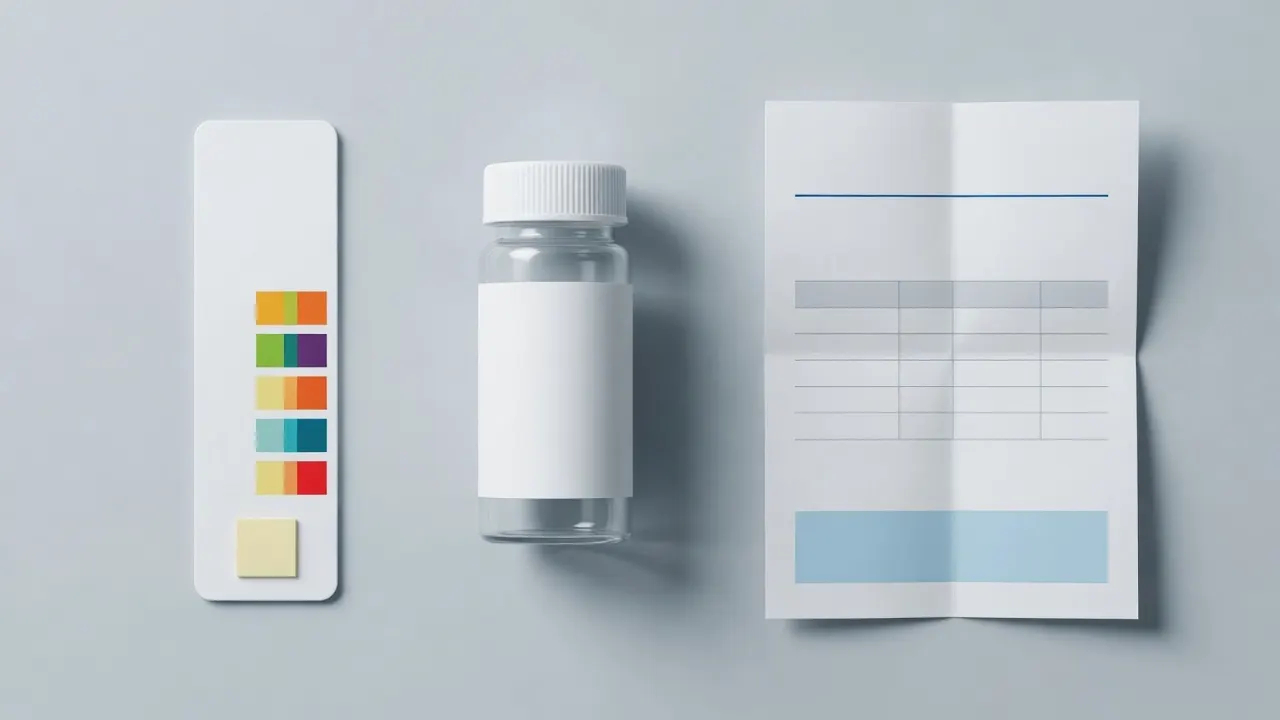
Home kits
Use kits for screening and learning what to test next. Use a certified lab when the result drives a health, landlord, utility, or purchase decision.
Labs
What to ask your water supplier, health department, or state drinking-water authority before paying for a test.
Lead
Lead cannot be seen, tasted, or smelled. The useful path is service-line clues, certified sampling, and a certified filter while you wait.
Metals
Lead, copper, arsenic, cadmium, chromium, and mercury need different context. Start with your source and local risk.
Private well
Wells sit outside the federal rules — testing is on you. The EPA/CDC schedule: annual basics, a periodic metals panel, and when to test immediately.
Decision path
| Situation | Start with | Why |
|---|---|---|
| City water, no specific symptom | Annual Consumer Confidence Report plus your utility's lead-service-line inventory. | The report explains the water system; the inventory helps with the pipe to your home. |
| Older home or lead concern | Lead-specific water test from a certified lab, plus a service-line check. | EPA says dissolved lead cannot be seen, tasted, or smelled; testing is the sure way to know. |
| Private well | Local health department/state guidance and a lab test matched to local contaminants. | EPA says private well owners are responsible for safe household drinking water. |
| Buying a filter | Test first if possible, then match the filter certification to the contaminant. | A taste filter is not automatically a lead, arsenic, PFAS, or bacteria solution. |