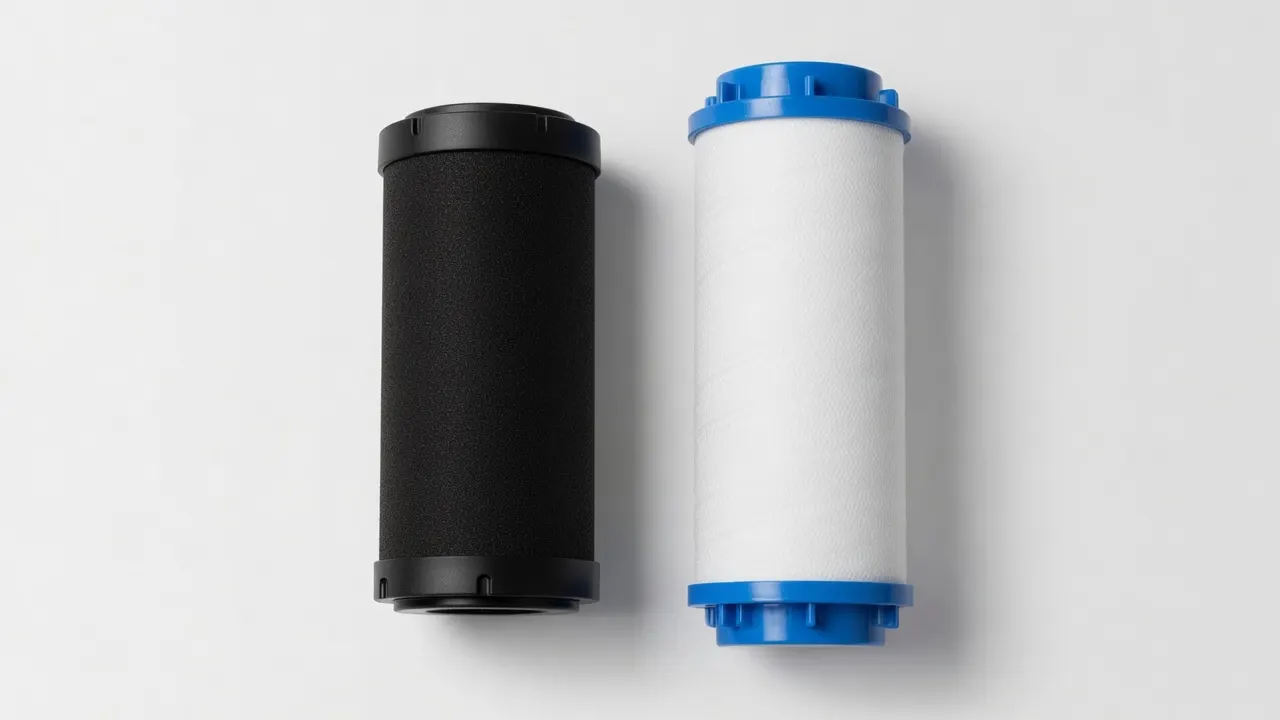
The label that matters is not a generic "filtered water" promise. It is model-level certification for lead reduction. NSF says lead-reduction systems should be certified to NSF/ANSI standards for lead, and EPA's consumer tool focuses on filters evaluated by accredited third-party certification bodies.
The quick difference
| Standard | What it usually means for shoppers | Lead takeaway |
|---|---|---|
| NSF/ANSI 53 | Health-related contaminant reduction claims, including lead when the model is certified for that claim. | Most pitcher, faucet, and under-sink lead-reduction filters need this exact lead claim. |
| NSF/ANSI 58 | Reverse-osmosis drinking-water treatment systems. | Use this when buying an RO system for lead reduction. |
| NSF/ANSI 42 | Aesthetic effects such as taste, odor, chlorine, and particulate claims. | Useful, but not enough by itself for lead. EPA's filter tool pairs lead reduction with 53 and Class I particulate capability under 42. |
How to verify an exact model
- Copy the full model number from the product page or package.
- Search the CSA, IAPMO, NSF, UL, WQA, or EPA-linked certification listing.
- Open the performance data sheet and confirm the contaminant claim says lead.
- Check cartridge life and replacement cost before comparing prices.
- Do not rely on retailer badges unless the certification database agrees.
Why this matters before buying
Retailer pages can be vague. Treat the certification listing as the source of truth: the exact model should match the exact lead-reduction claim in an accredited database before you trust the product for drinking-water protection.